Chiro Kolkata | Best Chiropractor in Kolkata

Author name: admin

Back Pain Treatment in West Bengal
chiropractic treatment for back pain in Kolkata

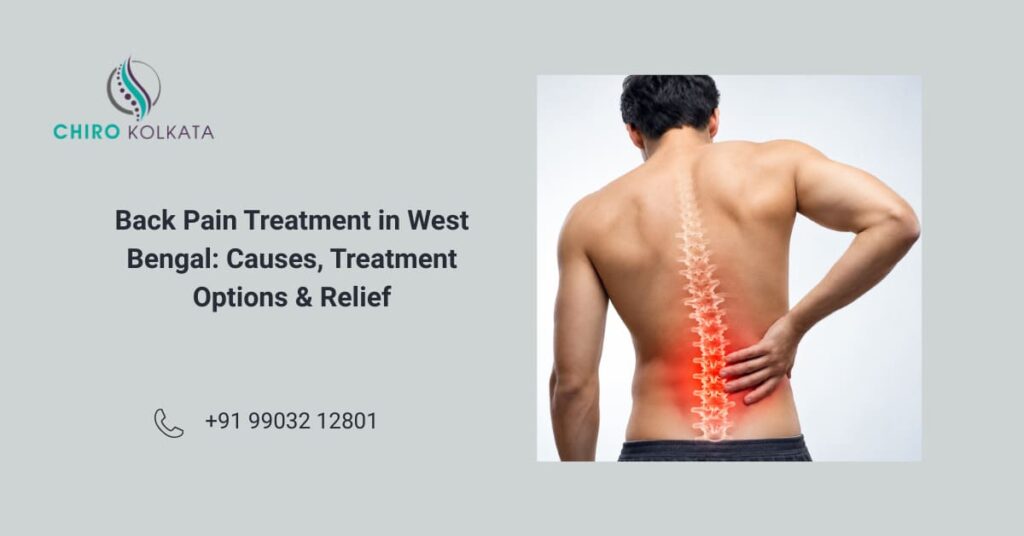
Back Pain Treatment in West Bengal: Causes, Treatment Options & Relief

Back pain is a common problem that can affect people of different ages and lifestyles. Long hours of sitting, poor posture, physical strain, sports injuries, muscle tension, and certain spinal conditions may contribute to back discomfort. When pain continues or interferes with daily activities, finding the right Back Pain Treatment in West Bengal becomes important. From conservative care and physiotherapy to chiropractic treatment and corrective exercises, treatment should be based on the individual’s symptoms, physical condition, and underlying cause. At Chiro Kolkata, patients receive personalized assessment and treatment focused on improving movement, reducing discomfort, and supporting long-term spinal health. What Causes Back Pain? Back pain can have several causes. Some cases are related to muscles and joints, while others may involve the spine or nerves. Common contributing factors include: Poor sitting or standing posture Long hours of desk work Muscle strain or ligament injury Sports-related injuries Herniated or slipped discs Sciatica Lumbar spondylosis Joint stiffness Reduced spinal mobility Repetitive physical activities Weakness or imbalance in supporting muscles For this reason, lower back pain treatment in West Bengal should not be based only on the location of the pain. A proper assessment can help identify contributing factors and determine an appropriate treatment approach. Common Symptoms Associated With Back Pain Back pain may feel different from one person to another. Some people experience a dull ache, while others may experience stiffness, sharp pain, or discomfort that travels toward the hip or leg. Possible symptoms include: Lower back pain Muscle tightness or stiffness Difficulty bending or moving Pain after prolonged sitting Discomfort while standing or walking Pain associated with certain movements Pain extending into the buttocks or leg When back pain is accompanied by significant weakness, loss of bladder or bowel control, numbness around the groin area, or other serious neurological symptoms, prompt medical evaluation is important. Back Pain Treatment Options The appropriate approach depends on the cause and severity of the problem. Depending on the assessment, conservative care may include physical rehabilitation, therapeutic exercises, manual therapy, posture education, and movement-based treatment. Chiropractic Treatment for Back Pain Chiropractic care may be considered for selected musculoskeletal causes of back pain. At Chiro Kolkata, treatment plans are personalized according to the individual’s condition and assessment. Techniques offered at the clinic include chiropractic manipulation, Muscle Energy Technique (MET), Myofascial Release (MFR), positional release techniques, graded joint mobilization, and corrective exercises. The aim is to improve movement, address relevant musculoskeletal dysfunction, and support functional recovery rather than simply focusing on temporary symptom relief. Physiotherapy and Rehabilitation Physiotherapy-based rehabilitation can be useful for improving strength, flexibility, mobility, posture, and movement control. Exercises may be selected according to the individual’s condition and recovery goals. A personalized rehabilitation programme may be particularly useful for people with recurring back pain, reduced mobility, or physical limitations. Non-Surgical Back Pain Treatment Not every case of back pain requires surgery. Depending on the diagnosis, conservative treatment may include manual therapy, exercise-based rehabilitation, posture correction, and other non-invasive approaches. Chiro Kolkata also provides spinal decompression and other manual treatment approaches for selected conditions. However, treatment should always be selected after appropriate assessment. Some spinal conditions require specialist medical evaluation rather than routine conservative care. Back Pain and Sciatica Sciatica refers to pain associated with irritation or compression of the sciatic nerve and may cause symptoms extending from the lower back into the buttock and leg. Symptoms can include pain, tingling, numbness, or weakness. If back pain is accompanied by leg symptoms, an appropriate assessment is important to determine whether the symptoms may be related to nerve involvement. Chiro Kolkata provides assessment and treatment approaches for sciatica and other musculoskeletal conditions. How Can You Reduce the Risk of Recurring Back Pain? Along with professional treatment when required, everyday habits can support spinal health. Consider: Taking regular breaks from prolonged sitting Maintaining a comfortable working posture Staying physically active Following appropriate strengthening exercises Avoiding sudden excessive physical strain Using correct lifting techniques Following the rehabilitation programme recommended by your healthcare professional The goal is not simply to manage an episode of pain but to improve movement and functional capacity over time. Why Choose Chiro Kolkata for Back Pain Care? Chiro Kolkata provides chiropractic and physiotherapy-based care for musculoskeletal problems. Dr. Manas Kumar is a chiropractor, physiotherapist, and movement science specialist, and the clinic emphasizes individualized assessment and treatment. The clinic offers treatments including chiropractic manipulation, Muscle Energy Technique, Myofascial Release, positional release, graded joint mobilization, and corrective exercises. Located at 4B Pratapaditya Road, near Rashbehari Crossing, Kolkata, Chiro Kolkata serves patients seeking back pain care in Kolkata and surrounding areas. Frequently Asked Questions Q1. What is the best treatment for back pain? There is no single treatment that is appropriate for everyone. Treatment depends on the cause, symptoms, physical condition, and individual needs. Assessment may help determine whether exercise, physiotherapy, manual therapy, chiropractic care, or medical evaluation is appropriate. Q2. Can chiropractic treatment help with back pain? Chiropractic treatment may help selected patients with musculoskeletal back pain. The treatment approach should be personalized following an appropriate assessment. Q3. Can back pain be treated without surgery? Many types of back pain can initially be managed with conservative approaches such as exercise, rehabilitation, manual therapy, and lifestyle or posture modifications. However, some conditions require specialist medical treatment or surgery. Q4. When should I see a professional for back pain? Consider professional assessment when pain is persistent, repeatedly returns, limits normal activities, follows an injury, or is accompanied by symptoms such as numbness, tingling, or weakness. Q5. Where can I get Back Pain Treatment in West Bengal? Chiro Kolkata provides chiropractic and physiotherapy-based care in Kolkata for various musculoskeletal conditions, including back pain and sciatica. Reach Us Chiro Kolkata – Dr Manas Kumar Address: 4B, Pratapaditya Rd, near Rashbehari, Near 27 Pally Park, Sahanagar, Crossing, Kolkata, West Bengal 700026 Phone: 099032 12801 Website: Chiro Kolkata
Pain Relief Clinic in West Bengal
Chiropractic Treatment

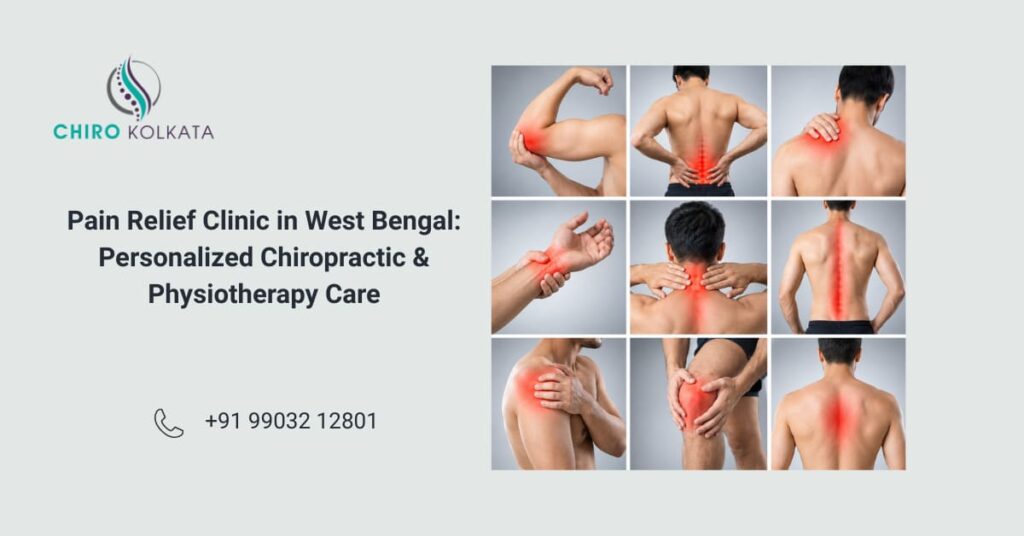
Pain Relief Clinic in West Bengal: Personalized Chiropractic & Physiotherapy Care

Living with persistent pain can affect your work, sleep, mobility, exercise, and everyday activities. Whether you are experiencing back pain, neck discomfort, sciatica, joint stiffness, or a sports-related injury, finding the right professional care is an important step toward improving movement and quality of life. If you are searching for a Pain Relief Clinic in West Bengal, Chiro Kolkata provides personalized chiropractic and physiotherapy-based care in Kolkata. Located near Rashbehari Crossing, Chiro Kolkata focuses on musculoskeletal conditions and movement-related problems. The clinic combines chiropractic care, physiotherapy, manual therapy, rehabilitation, and personalized treatment approaches based on individual needs. What Does a Pain Relief Clinic Do? A pain relief clinic evaluates the possible causes contributing to pain rather than focusing only on temporary symptom management. Depending on the condition, assessment may include posture, joint mobility, muscle function, movement patterns, and the history of the problem. At Chiro Kolkata, treatment plans are personalized according to the patient’s condition and goals. The clinic provides chiropractic and physiotherapy care for problems involving the spine, joints, muscles, and movement system. Common Conditions Treated for Pain Relief People looking for Pain Treatment in West Bengal may experience different types of musculoskeletal discomfort. Common concerns include: Lower and upper back pain Neck pain and stiffness Sciatica and radiating leg pain Shoulder pain and frozen shoulder Knee and joint pain Sports injuries Muscle tightness and stiffness Postural problems Ankle and foot discomfort Rehabilitation following surgery or injury Chiro Kolkata also provides care related to vertigo and dizziness, headaches, and several joint and mobility conditions. Chiropractic Treatment for Pain Relief Chiropractic Treatment in Kolkata may be considered for certain musculoskeletal conditions where improving joint movement, spinal function, and overall mobility is appropriate. Treatment at Chiro Kolkata can include techniques such as chiropractic manipulation, Muscle Energy Technique (MET), myofascial release, graded joint mobilization, positional release, and craniosacral therapy. The specific approach depends on the individual’s assessment and condition. For people experiencing radiating lower-back-to-leg pain, the clinic also provides Sciatica Treatment in Kolkata. Sciatica can involve symptoms such as pain, tingling, numbness, or weakness associated with irritation or compression of the sciatic nerve. Identifying the underlying cause is an important part of developing an appropriate treatment plan. Back Pain Treatment in Kolkata Back pain can develop for many reasons, including prolonged sitting, poor movement patterns, muscle strain, injuries, or spinal conditions. A professional assessment can help determine what may be contributing to the symptoms. Chiro Kolkata offers Back Pain Treatment in Kolkata using a personalized approach that may combine chiropractic care, manual therapy, rehabilitation exercises, and movement-focused strategies. The goal is to improve function and help patients return to their normal activities where appropriate. Why Choose Chiro Kolkata? If you are searching for a Pain Management Clinic in Kolkata or a Chiropractic Clinic in Kolkata, choosing a provider that assesses your individual condition is important. Chiro Kolkata is led by Dr. Manas Kumar, a chiropractor, physiotherapist, and movement science specialist. The clinic describes its approach as personalized and focused on addressing contributing factors rather than simply treating symptoms. The clinic is located at 4B, Pratapaditya Road, near Rashbehari Crossing, Kolkata – 700026. For appointments or further information, patients can contact the clinic directly at +91 99032 12801. When Should You Seek Professional Pain Care? Pain that is severe, persistent, recurrent, or interfering with daily activities deserves professional evaluation. Sudden severe pain, significant weakness or numbness, loss of bladder or bowel control, major trauma, fever with severe pain, or other concerning symptoms require prompt medical assessment rather than self-treatment. A qualified healthcare professional can determine whether chiropractic care, physiotherapy, medical management, imaging, or another form of treatment is appropriate. Frequently Asked Questions 1. Where can I find a Pain Relief Clinic in West Bengal? Chiro Kolkata is a chiropractic and physiotherapy clinic located in Kolkata, West Bengal, providing personalized care for several musculoskeletal and movement-related conditions. 2. Does Chiro Kolkata treat back pain? Yes. Chiro Kolkata provides chiropractic and physiotherapy-based care for back pain and related spinal and musculoskeletal conditions. 3. Can chiropractic treatment help with sciatica? Chiropractic care may be appropriate for some people with sciatica depending on the underlying cause. A proper assessment should be performed before deciding on treatment. Chiro Kolkata provides personalized care for sciatica. 4. Is chiropractic treatment suitable for everyone? Not necessarily. Treatment suitability depends on the individual’s symptoms, medical history, examination findings, and underlying condition. A qualified professional should assess you before treatment. 5. How do I book an appointment with Chiro Kolkata? You can contact Chiro Kolkata at +91 99032 12801 or visit the clinic at 4B, Pratapaditya Road, near Rashbehari Crossing, Kolkata – 700026. Reach Us Chiro Kolkata – Dr Manas Kumar Address: 4B, Pratapaditya Rd, near Rashbehari, Near 27 Pally Park, Sahanagar, Crossing, Kolkata, West Bengal 700026 Phone: 099032 12801 Website: Chiro Kolkata
Knee Pain Treatment in Kolkata
Knee Pain Treatment

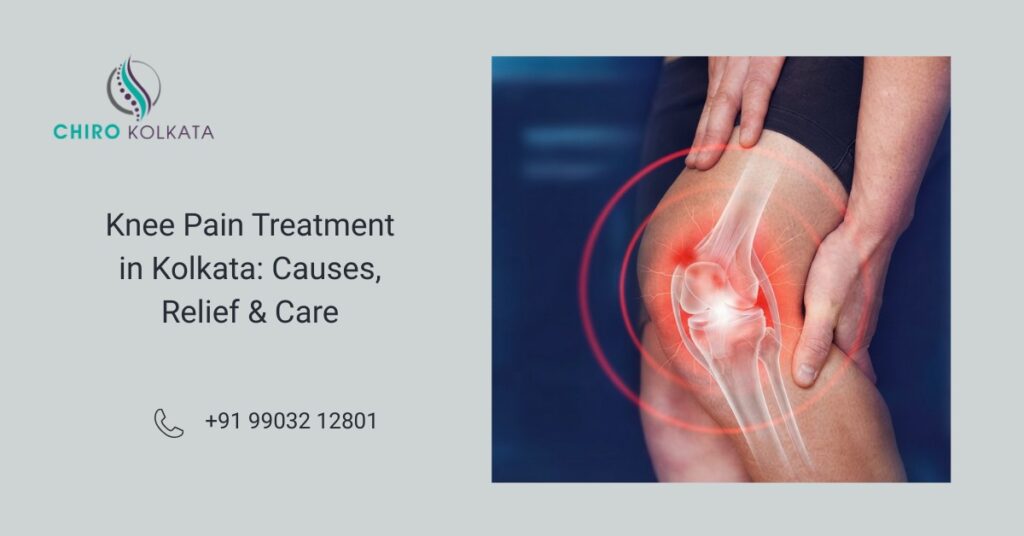
Knee Pain Treatment in Kolkata: Causes, Symptoms & Treatment Options

Knee pain can make simple activities such as walking, climbing stairs, exercising, or getting up from a chair uncomfortable. It may develop because of an injury, overuse, muscle imbalance, joint stiffness, sports activity, age-related changes, or problems affecting movement and biomechanics. For people looking for Knee Pain Treatment in Kolkata, understanding the possible cause of the pain is an important first step. At Chiro Kolkata, knee-related concerns are approached through individual assessment and personalized care. The clinic combines chiropractic care, physiotherapy, manual therapy, movement-focused rehabilitation, and appropriate exercise-based approaches depending on the patient’s condition. What Causes Knee Pain? Knee pain can have several possible causes. Some common factors include: Sports injuries and sudden trauma Muscle weakness or imbalance Joint stiffness and restricted mobility Overuse or repetitive activity Poor movement patterns Ligament or soft-tissue injuries Post-surgical weakness or reduced mobility Age-related changes in the knee joint The location, intensity, duration, and circumstances surrounding the pain can provide useful information about the underlying problem. A proper assessment is therefore important before deciding on a treatment approach. What Are the Common Symptoms of Knee Problems? Knee problems can present differently from person to person. Common symptoms may include: Pain while walking or climbing stairs Knee stiffness Swelling or tenderness Difficulty bending or straightening the knee Reduced range of motion Discomfort during exercise Weakness around the knee Difficulty returning to normal activities after an injury Persistent, severe, or worsening symptoms should be assessed by an appropriate healthcare professional, particularly when there has been significant trauma, marked swelling, instability, or difficulty bearing weight. How Does Knee Pain Treatment in Kolkata Work? Effective knee care begins with understanding the patient’s symptoms, physical condition, movement patterns, and functional limitations. At Chiro Kolkata, the treatment approach is personalized rather than based on a single method for every patient. Depending on the assessment, care may involve manual therapy, therapeutic exercises, mobility work, muscle strengthening, movement retraining, and rehabilitation. The clinic’s physical therapy approach includes musculoskeletal assessment, joint mobility testing, posture and movement assessment, and development of an individualized treatment plan. What Treatment Techniques May Help Knee Pain? Manual Therapy Manual therapy involves hands-on techniques designed to address restricted movement, muscle tension, and joint mobility. Chiro Kolkata uses techniques such as graded joint mobilization, myofascial release, positional release, and Muscle Energy Technique as part of its broader treatment approach. Therapeutic Exercise and Rehabilitation Exercise-based rehabilitation can focus on improving strength, flexibility, movement control, and functional capacity. A suitable program depends on the individual’s condition, activity level, injury history, and recovery goals. Sports Injury Rehabilitation For people experiencing knee pain after sports or physical activity, rehabilitation may focus on restoring movement and gradually returning to activity. The clinic also provides rehabilitation for sports injuries and knee-related conditions. Pre- and Post-Surgical Rehabilitation Some patients require structured rehabilitation before or after orthopedic surgery. Chiro Kolkata provides pre- and post-surgical rehabilitation programs designed around strength, mobility, recovery, and return to activity. Its rehabilitation services include care for patients recovering from knee replacements and ACL, MCL, PCL, and LCL injuries or surgeries. Why Choose Chiro Kolkata for Knee Pain Care? Choosing a clinic for knee pain treatment involves more than simply finding a nearby provider. Patients should consider whether the clinic provides proper assessment, individualized treatment, rehabilitation guidance, and clear communication. Chiro Kolkata is led by Dr. Manas Kumar, a PhD Scholar, Chiropractor, Physiotherapist, and Movement Science Specialist. The clinic describes its approach as personalized and focused on musculoskeletal health and movement. Patients can also explore the clinic’s [Knee Care] and [Pre & Post-Surgical Rehabilitation] services as relevant internal resources. Frequently Asked Questions What is the best treatment for knee pain? There is no single treatment that is best for every type of knee pain. The appropriate approach depends on the cause, symptoms, injury history, physical findings, and individual goals. Assessment can help determine whether rehabilitation, manual therapy, exercise, or another form of care is appropriate. Can physiotherapy help knee pain? Physiotherapy may help appropriate patients improve strength, mobility, movement, and functional ability. The treatment plan should be selected according to the individual’s condition and assessment. Can knee pain be treated without surgery? Some knee conditions can be managed with non-surgical approaches, depending on their cause and severity. Conservative care may include rehabilitation, exercise, movement modification, and manual therapy when clinically appropriate. However, some injuries or conditions may require medical or surgical evaluation. When should I seek treatment for knee pain? Consider professional assessment when knee pain persists, interferes with everyday activities, repeatedly returns, or follows an injury. Severe pain, major swelling, instability, or inability to bear weight warrants prompt medical evaluation. Get Personalized Knee Pain Treatment in Kolkata Don’t let persistent knee discomfort unnecessarily limit your movement and daily activities. At Chiro Kolkata, knee-related concerns are assessed individually so that treatment can be tailored to the patient’s needs and recovery goals. Reach Us Chiro Kolkata – Dr Manas Kumar Address: 4B, Pratapaditya Rd, near Rashbehari, Near 27 Pally Park, Sahanagar, Crossing, Kolkata, West Bengal 700026 Phone: 099032 12801 Website: Chiro Kolkata
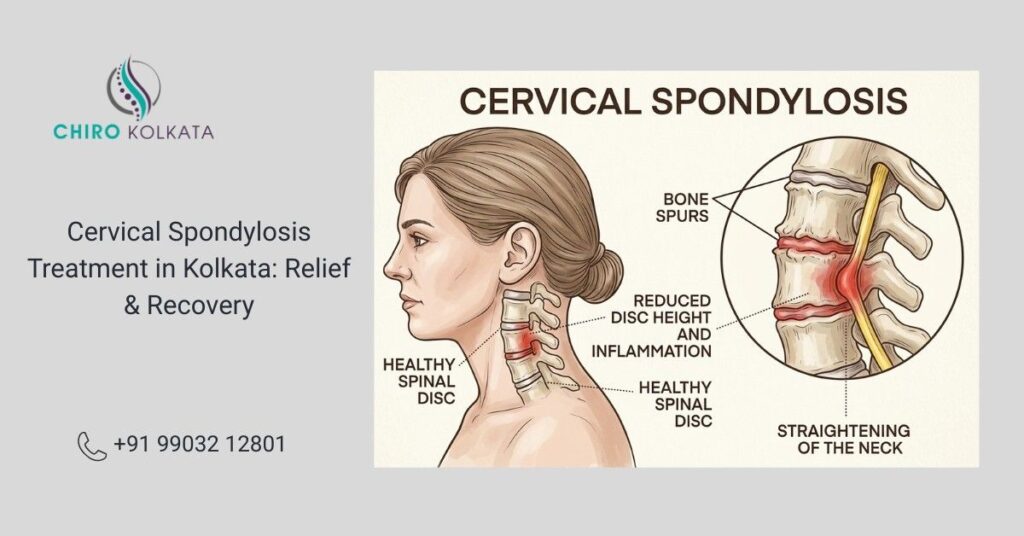
Cervical Spondylosis Treatment in Kolkata
Chiropractic Treatment, Chiropractic Treatment in Kolkata

Cervical Spondylosis Treatment in Kolkata: Relief & Recovery

Cervical spondylosis is a common condition involving age-related changes in the bones, discs and joints of the neck. Although it is often associated with natural wear and tear, factors such as previous injuries, repetitive activities and prolonged poor posture may also contribute to neck discomfort and stiffness. People searching for Cervical Spondylosis Treatment in Kolkata may experience symptoms such as neck pain, stiffness, reduced movement, headaches or discomfort extending towards the shoulders. In some cases, nerve involvement may cause tingling, numbness or weakness in the arm or hand. Appropriate care begins with understanding the individual’s symptoms, medical history, movement and functional limitations. Depending on the assessment, different treatment or rehabilitation approaches may be considered when exploring Cervical Spondylosis Treatment in Kolkata. What Is Cervical Spondylosis? Cervical spondylosis refers to degenerative changes affecting the cervical spine, which is the portion of the spine located in the neck. With age, spinal discs may gradually lose hydration and flexibility. The joints and vertebrae may also develop structural changes, including bone spurs. These changes do not always cause symptoms. However, when symptoms occur, people may experience neck pain, stiffness, reduced mobility or discomfort around the shoulders. In some cases, changes around the cervical spine may affect nearby nerves. The severity and type of symptoms can vary considerably between individuals, which is why an appropriate assessment is important before considering Cervical Spondylosis Treatment in Kolkata. Common Symptoms of Cervical Spondylosis Symptoms may vary depending on the structures involved and the extent of the changes in the cervical spine. Common symptoms may include: Neck pain or stiffness Reduced neck mobility Discomfort extending towards the shoulder Headaches associated with neck problems Tingling or numbness in the arm or hand Weakness when nerve involvement is present Not everyone with cervical spondylosis experiences the same symptoms. If symptoms are persistent, worsening or affecting daily activities, an appropriate healthcare assessment can help determine the next steps. More significant neurological symptoms, including worsening weakness, difficulty walking or loss of bladder or bowel control, require prompt medical evaluation. What Causes Cervical Spondylosis? Age-related changes are an important factor in cervical spondylosis. Over time, spinal discs can gradually lose water and flexibility, which may affect how forces are distributed through the cervical spine. Other factors that may contribute to neck symptoms include: Previous neck injuries Repetitive physical activities Prolonged sitting Poor or sustained postural habits Extended computer use Frequent smartphone use Reduced physical activity These factors should not automatically be considered the sole cause of cervical spondylosis. An individual’s symptoms may have multiple contributing factors, and assessment is important for understanding the condition before selecting Cervical Spondylosis Treatment in Kolkata. How Is Cervical Spondylosis Diagnosed? Assessment generally begins with a review of medical history and symptoms. A healthcare professional may also evaluate neck movement, muscle strength, reflexes, sensation and other neurological functions. Depending on the symptoms and clinical findings, imaging such as X-rays, MRI or CT may be recommended. A proper assessment can help determine whether symptoms are associated with cervical spondylosis or another condition that may require a different approach to care. This assessment can also help determine whether Cervical Spondylosis Treatment in Kolkata is appropriate for the individual. Cervical Spondylosis Treatment in Kolkata The appropriate Cervical Spondylosis Treatment in Kolkata depends on the individual’s symptoms, clinical findings, medical history and underlying condition. Depending on the assessment, conservative care may include physical rehabilitation, therapeutic exercises, posture and movement education, and appropriate manual therapy techniques. Physical therapy may help support improvements in neck and upper-back strength, flexibility and functional movement, depending on the individual’s condition and treatment plan. At Chiro Kolkata, care focuses on musculoskeletal conditions through individualized chiropractic and physiotherapy-based approaches. Depending on the patient’s assessment and treatment needs, techniques may include: Muscle Energy Technique (MET) Myofascial Release (MFR) Chiropractic manipulation Graded joint mobilization Positional release techniques Therapeutic and corrective exercises Movement and posture education Chiropractic care may be considered for selected individuals experiencing neck pain or stiffness after an appropriate assessment. The approach aims to address relevant movement and musculoskeletal factors while supporting mobility and function. Treatment is not the same for every patient. The techniques and treatment plan may vary depending on symptoms, clinical findings, functional limitations and individual needs. Why Choose Chiro Kolkata for Neck Care? Chiro Kolkata provides individualized chiropractic and physiotherapy-based care at 4B, Pratapaditya Road, near Rashbehari Crossing, Kolkata – 700026. Dr. Manas Kumar is identified by the clinic as a PhD Scholar, Chiropractor, Physiotherapist and Movement Science Specialist. The clinic’s approach focuses on individualized, evidence-informed care for musculoskeletal conditions. If you are considering Cervical Spondylosis Treatment in Kolkata, an individual assessment may help determine whether chiropractic care, physiotherapy, exercise-based rehabilitation or referral to another healthcare professional is appropriate for your symptoms. The goal is to develop an approach based on the individual’s condition rather than applying the same treatment method to everyone. FAQ Can chiropractic care help cervical spondylosis? Chiropractic care may help some people manage neck pain and stiffness, depending on the underlying condition and clinical assessment. Any chiropractic approach should be appropriately selected and individualized according to the patient’s needs. Is cervical spondylosis completely curable? Cervical spondylosis involves structural changes in the cervical spine. Treatment generally focuses on managing symptoms, supporting mobility and function, and improving quality of life rather than promising a permanent reversal of degenerative changes. The appropriate approach can vary between individuals depending on their symptoms and clinical findings. Can exercise help with cervical spondylosis? Appropriately selected exercises may help support mobility, strength and functional movement in some individuals. The type and intensity of exercise should depend on the person’s symptoms, physical condition and assessment. When should I seek urgent medical attention? Prompt medical evaluation is important if you develop sudden or worsening weakness, significant numbness, difficulty walking, or loss of bladder or bowel control. These symptoms may require medical assessment rather than routine musculoskeletal care. Book an Assessment at Chiro Kolkata If you are experiencing persistent neck pain, stiffness or movement limitations, an appropriate assessment can help identify

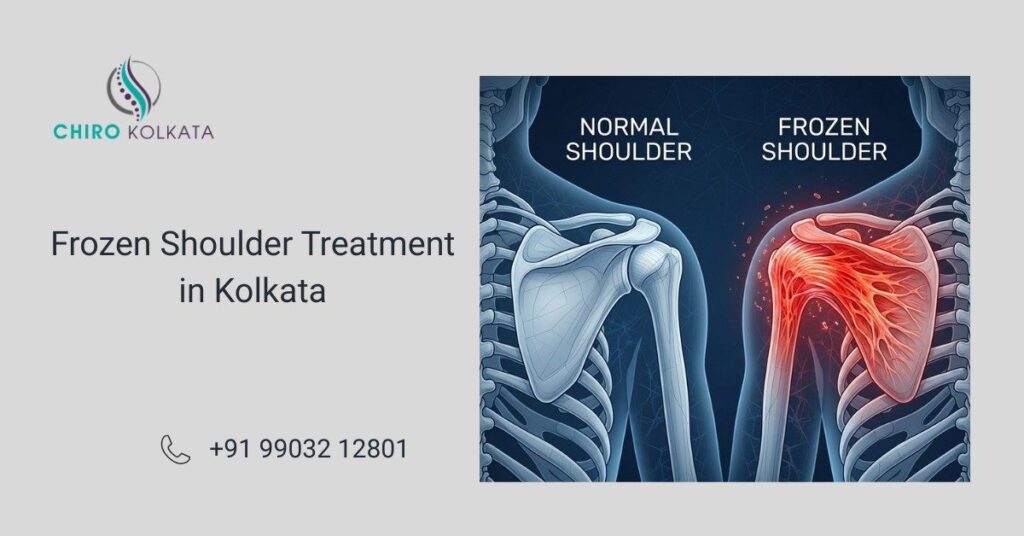
Frozen Shoulder Treatment in Kolkata
Chiropractic Treatment in Kolkata

Frozen Shoulder Treatment in Kolkata: Causes, Symptoms and Care

Frozen shoulder, medically known as adhesive capsulitis, is a condition that can cause shoulder pain, stiffness and difficulty with everyday movements. Activities such as reaching overhead, dressing, combing the hair or moving the arm behind the back may become uncomfortable or restricted. If you are looking for Frozen Shoulder Treatment in Kolkata, it is important to understand the possible causes and seek an appropriate assessment before starting treatment. At Chiro Kolkata, treatment is planned according to the individual’s symptoms, physical findings, movement limitations and overall condition. What Is Frozen Shoulder? Frozen shoulder develops when the tissues surrounding the shoulder joint become irritated and stiff, which can gradually restrict movement. The condition may develop without an obvious cause or may occur following an injury, surgery, prolonged shoulder immobilisation or certain health conditions. Symptoms can develop gradually and may vary from person to person. Some individuals experience considerable stiffness, while others may initially notice more pain. A proper assessment can help determine whether the symptoms are consistent with frozen shoulder or whether another shoulder condition may be contributing to the problem. Common Symptoms of Frozen Shoulder Common symptoms may include: Shoulder pain, particularly during movement Increasing stiffness in the shoulder Difficulty raising the arm Difficulty reaching behind the back Reduced range of shoulder movement Discomfort while sleeping on the affected side Difficulty performing everyday activities The severity and progression of symptoms can vary between individuals. Persistent or worsening shoulder pain should be evaluated by an appropriate healthcare professional. What Causes Frozen Shoulder? The exact cause of frozen shoulder is not always clear. It may occur without a specific injury, while in other cases it can be associated with factors such as: Previous shoulder injury Shoulder surgery Reduced shoulder movement for an extended period Certain medical conditions Age-related changes Prolonged stiffness following an injury Identifying contributing factors can help healthcare professionals develop a more appropriate management plan. Stages of Frozen Shoulder Frozen shoulder is commonly described in three stages, although the duration and experience of each stage can differ. Freezing Stage During this stage, shoulder pain may gradually increase and movement can become more restricted. Pain may also interfere with sleep and routine activities. Frozen Stage Pain may become less intense for some people, but stiffness can become more noticeable. Shoulder movement may remain significantly limited. Thawing Stage During this stage, shoulder movement may gradually improve. The rate of improvement varies between individuals and can depend on several factors. Because frozen shoulder can progress differently from person to person, an individual assessment is important when deciding on appropriate care. Frozen Shoulder Treatment in Kolkata at Chiro Kolkata At Chiro Kolkata, Frozen Shoulder Treatment in Kolkata is approached according to the individual’s symptoms, mobility and clinical assessment. Depending on the condition, treatment may involve a combination of manual therapy, mobility exercises, physiotherapy-based techniques and rehabilitation exercises. Manual Therapy Manual therapy may be used to address soft-tissue restrictions and support comfortable shoulder movement. The techniques selected depend on the individual’s presentation and tolerance. Mobility Exercises Specific shoulder mobility exercises may help maintain or gradually improve movement. Exercises should be selected according to the person’s current range of motion and physical condition. Muscle Energy Technique Muscle Energy Technique (MET) may be incorporated where appropriate to address muscular restrictions and support joint movement. Its suitability depends on the individual’s assessment. Soft Tissue Therapy Soft tissue techniques may be used to address muscle tension around the shoulder and surrounding areas. Treatment is adapted according to the patient’s symptoms and response. Rehabilitation Exercises A personalised exercise programme may help support shoulder mobility, strength and functional movement. Exercises should be progressed gradually rather than based on a fixed programme for everyone. Why Individual Assessment Matters Shoulder pain and restricted movement can have several possible causes. Frozen shoulder may sometimes resemble other shoulder problems, so an appropriate assessment is important before deciding on treatment. At Chiro Kolkata, the assessment can consider factors such as: Shoulder range of motion Pain patterns Muscle and joint movement Previous injuries Daily activities Posture and movement patterns Based on these findings, an appropriate care plan can be discussed. How Long Does Frozen Shoulder Take to Improve? There is no single recovery timeline that applies to everyone with frozen shoulder. The condition can change gradually, and the duration may depend on factors such as the stage of the condition, severity of symptoms, general health and response to treatment. For this reason, it is better to avoid promising a specific number of sessions or a fixed recovery period. Results may vary between individuals. When Should You Seek Professional Assessment? Consider seeking professional advice if shoulder pain or stiffness is: Persistent or progressively worsening Affecting sleep Limiting everyday activities Making it difficult to raise or rotate the arm Associated with significant weakness or injury Not improving with appropriate self-care An assessment can help determine whether frozen shoulder may be contributing to your symptoms and whether further medical evaluation is required. Why Choose Chiro Kolkata? Chiro Kolkata provides personalised chiropractic, physiotherapy and movement-based care for people experiencing musculoskeletal problems. For Frozen Shoulder Treatment in Kolkata, the focus is on understanding the individual’s movement limitations and developing an appropriate treatment and rehabilitation approach. Treatment suitability depends on the person’s condition and assessment, and outcomes can vary between individuals. The clinic uses techniques such as manual therapy, mobility work, soft tissue techniques and corrective rehabilitation exercises where appropriate. Frequently Asked Questions Can chiropractic care help with frozen shoulder? Depending on the individual’s condition, chiropractic and manual therapy approaches may help support shoulder mobility and manage discomfort. Treatment should be selected after an appropriate assessment. How long does frozen shoulder last? The duration can vary considerably between individuals. Frozen shoulder may progress through different stages, and recovery does not follow exactly the same timeline for everyone. Can exercises help frozen shoulder? Appropriately selected mobility and rehabilitation exercises may help maintain or improve shoulder movement. Exercises should be adjusted according to the individual’s symptoms, mobility and stage of the condition. Is frozen shoulder

Is Poor Posture Causing My Pain
Chiropractic Treatment, problems and solutions

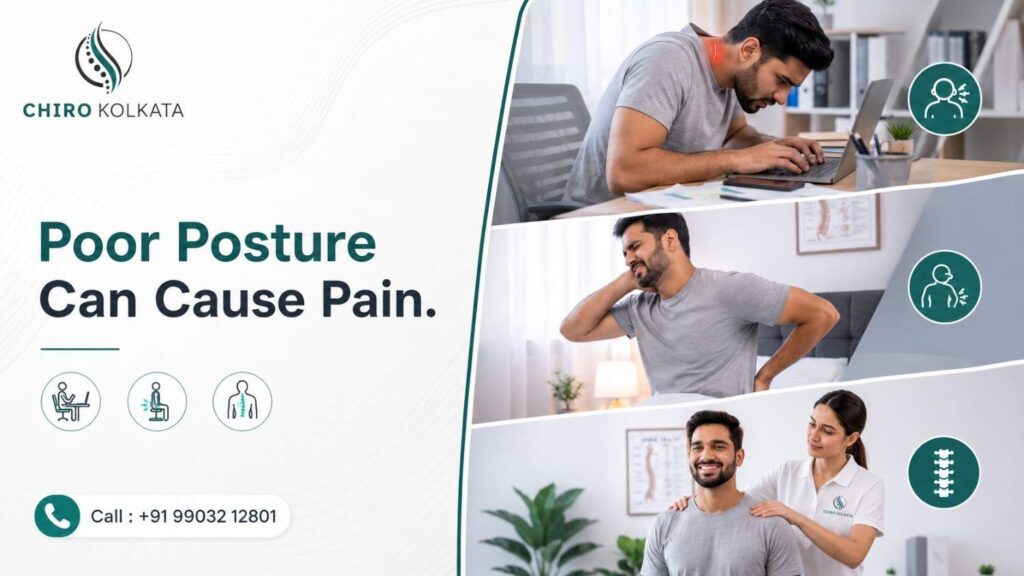
Is Poor Posture Causing My Pain? Causes, Signs and Posture Correction

Is Poor Posture Causing My Pain? Yes, poor posture can contribute to neck, shoulder and back pain, particularly if you spend long hours sitting at a desk, looking down at your phone, or staying in the same position. However, posture is only one possible cause of pain, so recurring or severe symptoms should be professionally assessed. How Does Poor Posture Cause Pain? Your spine naturally has curves that help distribute pressure and support movement. When poor posture becomes a daily habit, certain muscles and joints may experience more stress than others. For example, forward head posture can increase strain around the neck and shoulders, while rounded shoulders may contribute to upper-back tightness. Sitting for long periods can also affect the muscles around your hips and lower back. Over time, this may contribute to posture-related pain, stiffness and reduced mobility. Common symptoms include: Neck stiffness after working or using your phone Shoulder and upper-back tension Lower back pain after sitting Muscle fatigue Reduced flexibility Recurring neck and back pain Discomfort that improves after moving or changing position Can Sitting All Day Cause Back Pain? Yes. Prolonged sitting is a common contributor to back discomfort, particularly when combined with an unsuitable workstation or limited movement. A good ergonomic posture can help reduce unnecessary strain. Keep your screen at a comfortable height, support your lower back, keep your feet supported and, most importantly, take regular movement breaks. You don’t need to maintain one “perfect” posture all day. Changing positions and moving regularly are important parts of healthy posture. What Is Posture Correction? Posture correction means identifying movement or alignment habits that may be contributing to discomfort and improving them through appropriate exercises, ergonomic changes, mobility work and, when appropriate, professional treatment. A professional assessment may look at your spinal alignment, joint mobility, muscle balance and functional movement rather than simply telling you to “sit straight.” When Should You See a Chiropractor? If your pain keeps returning despite improving your sitting position and daily habits, it may be worth getting an assessment. At Chiro Kolkata, Dr. Manas Kumar provides personalized chiropractic and physical therapy care. The clinic’s assessment approach includes posture analysis, joint mobility testing, neurological screening and functional movement assessment before developing an individualized treatment plan. Treatment options may include chiropractic manipulation, Muscle Energy Technique, myofascial release and graded joint mobilization, depending on the individual’s needs. FAQs About Poor Posture and Pain Q: Can poor posture cause neck pain? A: Yes. Poor sitting or screen-use habits can place additional stress on the neck and surrounding muscles, potentially contributing to neck discomfort and stiffness. Q: How do I know if my pain is caused by posture? A: If discomfort develops or worsens after prolonged sitting, screen use or maintaining a particular position and improves when you move, posture or movement habits may be contributing. A professional assessment can help identify other possible causes. Q: Can posture correction reduce back pain? A: Improving workstation setup, movement habits, strength and mobility may help reduce posture-related discomfort. The right approach depends on the underlying cause. Take the First Step Toward Better Spinal Health Your posture doesn’t have to be perfect. What matters is how you move, how long you stay in one position and whether your daily habits are contributing to pain. If persistent posture-related pain, neck stiffness or back discomfort is affecting your everyday life, consider getting a professional assessment rather than simply ignoring the symptoms. Reach Us Chiro Kolkata – Dr Manas Kumar Book your FREE consultation with Dr. Manas Kumar today. +91 99032 12801 Clinic Location: 4B, Pratapaditya Rd, near Rashbehari, Near 27 Pally Park, Sahanagar, Crossing, Kolkata, West Bengal 700026 Metro Route & Directions Nearest Station: Kalighat Metro Station (Blue Line / North-South Corridor).Best Exit: Gate No. 8. Website: Chiro Kolkata

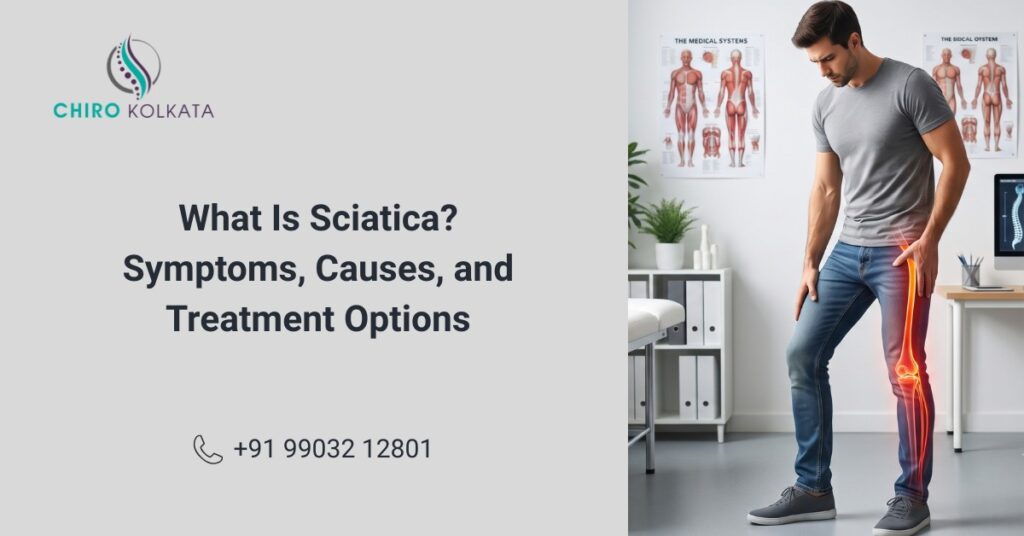
What Is Sciatica? Symptoms, Causes, and Treatment Options
Chiropractic Treatment in Kolkata

What Is Sciatica? Understanding Symptoms, Causes & Treatment

What Is Sciatica? Symptoms, Causes, and Treatment Options Sciatica is pain caused by irritation or compression of the sciatic nerve, which runs from the lower back through the hips and buttocks and down each leg. It commonly causes lower back pain, buttock pain, and pain radiating down the leg, usually on one side of the body. If your leg pain feels sharp, burning, or like an electric shock, sciatica may be one possible cause. What Does Sciatica Feel Like? The most noticeable sciatica symptoms are usually felt along the path of the sciatic nerve. Symptoms can include: Sharp or burning nerve pain in the leg Pain travelling from the lower back or buttock into the leg Tingling and numbness in the leg or foot Muscle weakness in the affected leg Lower back pain that may worsen with sitting, coughing, or certain movements Sciatica does not always cause severe back pain. Sometimes, leg pain is the main symptom. What Causes Sciatica? One of the most common sciatica causes is a herniated disc in the lower spine. A disc can bulge or rupture and put pressure on a nearby spinal nerve, leading to nerve compression and irritation. Other possible causes include age-related changes in the spine, narrowing around the nerves, spinal injuries, and certain movement or posture-related problems. Poor posture, prolonged sitting, and repetitive movements may also contribute to increased pressure on the lower back and surrounding nerves. In some cases, muscle tightness or spasms around the hips and lower back can irritate the sciatic nerve and worsen symptoms. Conditions such as spondylolisthesis, where one vertebra slips over another, may also contribute to nerve compression. Pregnancy can sometimes cause sciatica-like symptoms due to changes in posture, weight distribution, and pressure around the lower spine. Lifestyle factors such as physical inactivity, improper lifting techniques, and lack of core strength may increase the risk of developing lower-back problems. The severity and location of symptoms can vary depending on which part of the sciatic nerve is affected. Because different conditions can produce similar symptoms, identifying the underlying cause is important before choosing treatment. A proper assessment can help determine whether the symptoms are related to nerve compression, spinal changes, muscle problems, or another underlying condition. Can Chiropractic Care Help Sciatica? For some people, chiropractic care may be part of a conservative approach to managing sciatica. A chiropractor can assess your spine, movement, and symptoms before recommending an appropriate treatment plan. At Chiro Kolkata, chiropractic treatment for sciatica may focus on improving spinal and joint movement and reducing mechanical stress. Treatment is individualized because not every case of sciatic nerve pain has the same cause. How Can I Get Relief From Sciatica? Sciatica relief depends on its underlying cause and severity. Staying appropriately active, avoiding movements that aggravate your symptoms, and getting a professional assessment can be helpful. If back and leg pain continues, becomes severe, or interferes with everyday activities, consult a qualified healthcare professional rather than relying on self-treatment alone. Frequently Asked Questions About Sciatica Q: Is sciatica the same as lower back pain? A: No. Sciatica specifically involves irritation or compression of the sciatic nerve and often causes symptoms that travel into the buttock and leg. Ordinary lower back pain may remain localized to the back. Q: How long does sciatica last? A: The duration varies depending on the underlying cause. Some cases improve with conservative care, while persistent or severe symptoms may require further medical evaluation. Q: When should I see a chiropractor for sciatica? A: If persistent sciatic nerve pain, numbness, or leg pain is affecting your daily life, a professional assessment can help determine the likely cause and whether chiropractic care is appropriate. Q: When should I seek urgent medical attention for sciatica? A: Seek urgent medical attention if sciatica is accompanied by significant or worsening leg weakness, loss of bladder or bowel control, or numbness around the groin or saddle area. Reach Us Book your FREE consultation with Dr. Manas Kumar today. +91 99032 12801 Clinic Location: 4B, Pratapaditya Rd, near Rashbehari, Near 27 Pally Park, Sahanagar, Crossing, Kolkata, West Bengal 700026 Metro Route & DirectionsNearest Station: Kalighat Metro Station (Blue Line / North-South Corridor).Best Exit: Gate No. 8.

Why Does Neck Pain Keep Coming Back
Chiropractic Treatment in Kolkata, Chiropractic treatment in Kolkata for neck pain, problems and solutions

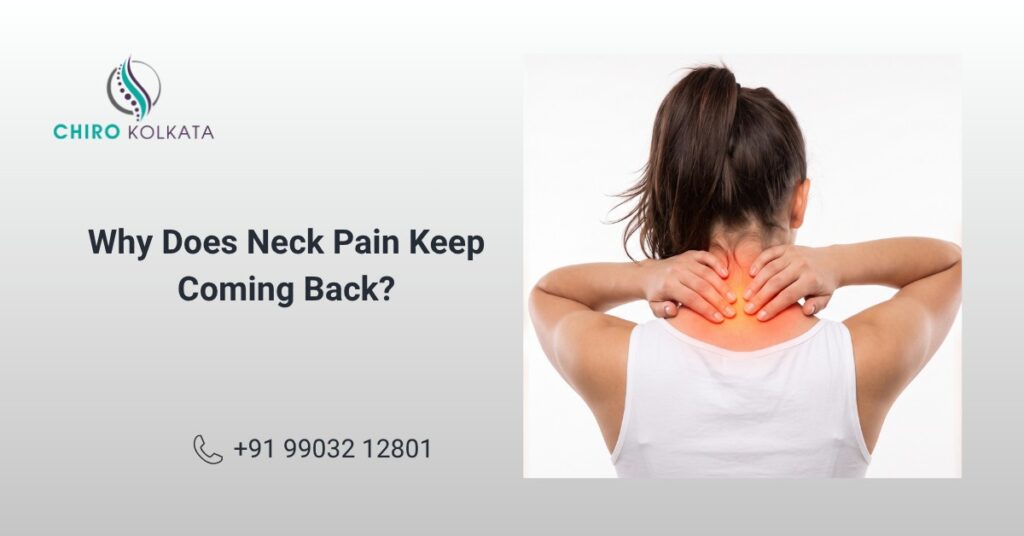
Why Does Neck Pain Keep Coming Back?

Why Does Neck Pain Keep Coming Back? Neck pain can return when the underlying cause has not been fully addressed. Common triggers include poor posture, prolonged sitting, muscle tension, restricted neck movement, frequent smartphone use, or an unsuitable sleeping position. While temporary relief may reduce discomfort, repeated exposure to the same triggers can cause symptoms to return. If you regularly experience neck pain, understanding the possible cause is an important step toward better long-term neck health. What Causes Recurring Neck Pain? 1. Poor Posture and Prolonged Sitting Spending long hours at a desk or looking down at a smartphone can place extra stress on the neck and upper back. Forward-head posture, often associated with prolonged smartphone use or “text neck,” may contribute to muscle fatigue, stiffness, and discomfort. If your work involves sitting for extended periods, take regular movement breaks and maintain a comfortable, ergonomic posture. 2. Muscle Tension and Stiffness Stress, repetitive movements, exercise, and poor sleeping positions can contribute to tension in the neck and shoulder muscles. This may lead to stiffness, reduced movement, and recurring discomfort. Depending on the assessment, trained professionals may use techniques such as Myofascial Release (MFR) and Muscle Energy Technique (MET) to address muscle tightness and support mobility. 3. Everyday Habits May Be Triggering the Pain Recurring neck pain is not always caused by one major injury. Small habits repeated every day can also contribute to discomfort. Looking down at your phone for long periods, positioning your monitor incorrectly, carrying a heavy bag on one shoulder, or sleeping without adequate neck support may all contribute to recurring symptoms. How Can You Reduce Recurring Neck Pain? The right approach depends on the underlying cause of your symptoms. Helpful habits may include: Maintain good posture while sitting and standing Keep your computer screen at a comfortable height Take regular movement breaks during prolonged sitting Avoid spending long periods looking down at your phone Choose a pillow that supports your preferred sleeping position Follow appropriate mobility and strengthening exercises Seek professional assessment if your neck pain continues to return Your pillow and sleeping position can also affect neck alignment. However, persistent or recurring pain may require a more detailed assessment of posture, movement, and musculoskeletal function. When Should You See a Professional? Consider seeking professional medical evaluation if your neck pain: Keeps returning or lasts for several weeks Limits your normal daily activities Is associated with numbness or weakness Causes pain that spreads into the arm Becomes increasingly severe or difficult to manage A professional assessment can help determine whether your symptoms may be related to posture, muscle tension, joint mobility, an injury, or another underlying condition. Can Chiropractic Care Help With Recurring Neck Pain? Chiropractic care may help some people with neck-related musculoskeletal problems by addressing movement, joint mobility, posture, and surrounding muscle tension. Treatment should be individualized following an appropriate assessment. At Chiro Kolkata, Dr. Manas Kumar provides personalized chiropractic and physical therapy care. The clinic’s approach includes assessment of posture, joint mobility, neurological function, and movement before developing an individualized treatment plan. Neck pain and cervicogenic headaches are among the conditions addressed by the clinic. Get Neck Pain Treatment in Kolkata If your neck pain keeps returning despite temporary relief, identifying the contributing factors may be more helpful than repeatedly managing the symptoms. Chiro Kolkata – Dr. Manas Kumar focuses on personalized care for musculoskeletal concerns using techniques such as Chiropractic Manipulation, Graded Joint Mobilization, Muscle Energy Technique (MET), Myofascial Release (MFR), and Positional Release Technique. Frequently Asked Questions Q1. Why does my neck pain keep coming back? A: Recurring neck pain can be associated with poor posture, prolonged sitting, muscle tension, repetitive activities, sleeping position, or restricted neck movement. Identifying and addressing the contributing factors may help reduce repeated episodes. Q2. Is neck pain from sitting common? A: Yes. Sitting for long periods, especially with poor workstation posture, can increase strain on the neck and upper back. Regular movement breaks and improved ergonomic positioning may help reduce this strain. Q3. Can chiropractic treatment help neck pain? A: Chiropractic care may be suitable for certain musculoskeletal causes of neck pain. A qualified professional should assess your condition and determine whether chiropractic treatment is appropriate for you. Q4. When should recurring neck pain be checked? A: If your neck pain persists, repeatedly returns, interferes with daily activities, or occurs alongside symptoms such as weakness or numbness, professional evaluation is recommended. Reach Us Chiro Kolkata – Dr Manas Kumar 📍 Address: 4B, Pratapaditya Rd, near Rashbehari, Near 27 Pally Park, Sahanagar Crossing, Kolkata, West Bengal 700026 📞 Phone: 099032 12801 🌐 Website: Chiro Kolkata Chiro Kolkata provides personalized chiropractic and physical therapy care in Kolkata, with a focus on musculoskeletal health, mobility, posture, and individualized treatment.

Chiropractic Treatment

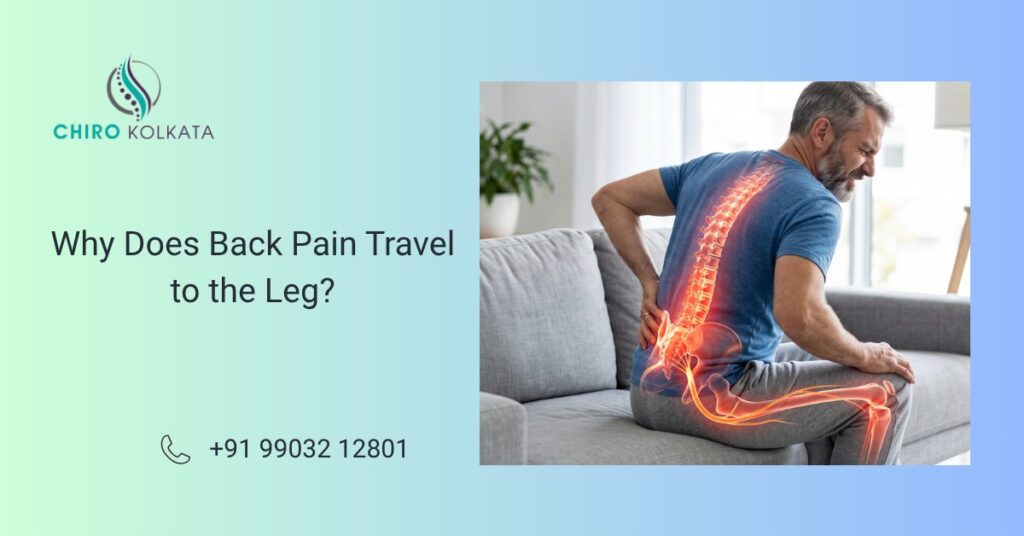
Why Does Back Pain Travel to the Leg?

Why Does Back Pain Travel to the Leg? Back pain that travels to the leg is often caused by irritation or compression of a nerve in the lower spine. The most common example is sciatica, where pressure or irritation affects the sciatic nerve, causing pain that can travel from the lower back or buttock into the leg. If you experience radiating leg pain, tingling, numbness, or weakness along with lower back pain, understanding the possible cause can help you choose the right next step. Why Does Back Pain Travel Down the Leg? Your lumbar spine contains nerves that connect the lower back with your hips and legs. When a nerve becomes irritated, inflamed, or compressed, the pain may follow its pathway into the buttock and leg. This is known as nerve pain in the leg or radiating pain. Unlike ordinary muscle soreness, nerve-related pain may feel sharp, burning, electric, or shooting. Common Causes of Radiating Leg Pain Several conditions can cause back pain to travel into the leg, including: Sciatica pain caused by irritation of the sciatic nerve A herniated disc or slipped disc Lumbar nerve compression Spinal changes associated with ageing Muscle tightness or inflammation Poor posture and prolonged sitting Certain back or sports injuries What Does Sciatica Pain Feel Like? Sciatica pain often affects one side of the body. It may begin in the lower back or buttock and travel down the thigh, calf, or even toward the foot. You may also experience tingling and numbness, burning sensations, pins and needles, or leg weakness. However, not every case of lower back pain that reaches the leg is necessarily sciatica. A proper assessment can help determine whether the symptoms are related to a nerve, disc, muscles, joints, or another condition. Can Chiropractic Care Help Back Pain That Travels to the Leg? Chiropractic care may be considered as part of a conservative approach for certain types of back and musculoskeletal problems. At Chiro Kolkata, the focus is on assessing your symptoms and identifying factors that may be contributing to your discomfort. Depending on the assessment, treatment may include chiropractic adjustment, mobility exercises, posture guidance, and other appropriate conservative techniques. The goal is not simply to mask pain relief but to understand why the symptoms are occurring and develop an appropriate care plan. When Should You See a Professional? Persistent or worsening radiating leg pain should be evaluated, particularly if it interferes with walking, sleeping, or everyday activities. Seek urgent medical attention if back and leg pain is accompanied by severe or progressive weakness, loss of bladder or bowel control, or numbness around the groin or inner thighs. Frequently Asked Questions Q: Why does my lower back pain go down my leg? A: Lower back pain can travel down the leg when a nerve in the lower spine becomes irritated or compressed. Sciatica is one common cause. Q: Is pain going from the back to the leg always sciatica? A: No. Radiating leg pain can have several causes, including disc problems, nerve irritation, muscle-related problems, and spinal conditions. A professional assessment can help identify the likely cause. Q: Can a slipped disc cause leg pain? A: Yes. A slipped disc, commonly referring to a herniated or bulging disc, can irritate a nearby spinal nerve and cause pain, numbness, or tingling in the leg. Q: How can I get relief from back and leg pain? A: The appropriate treatment depends on the underlying cause. Professional assessment, appropriate movement, posture changes, and suitable conservative care may help manage symptoms. Reach Us Chiro Kolkata – Dr Manas Kumar Book your FREE consultation with Dr. Manas Kumar today. +91 99032 12801 Clinic Location: 4B, Pratapaditya Rd, near Rashbehari, Near 27 Pally Park, Sahanagar, Crossing, Kolkata, West Bengal 700026 Metro Route & DirectionsNearest Station: Kalighat Metro Station (Blue Line / North-South Corridor).Best Exit: Gate No. 8. Website: Chiro Kolkata

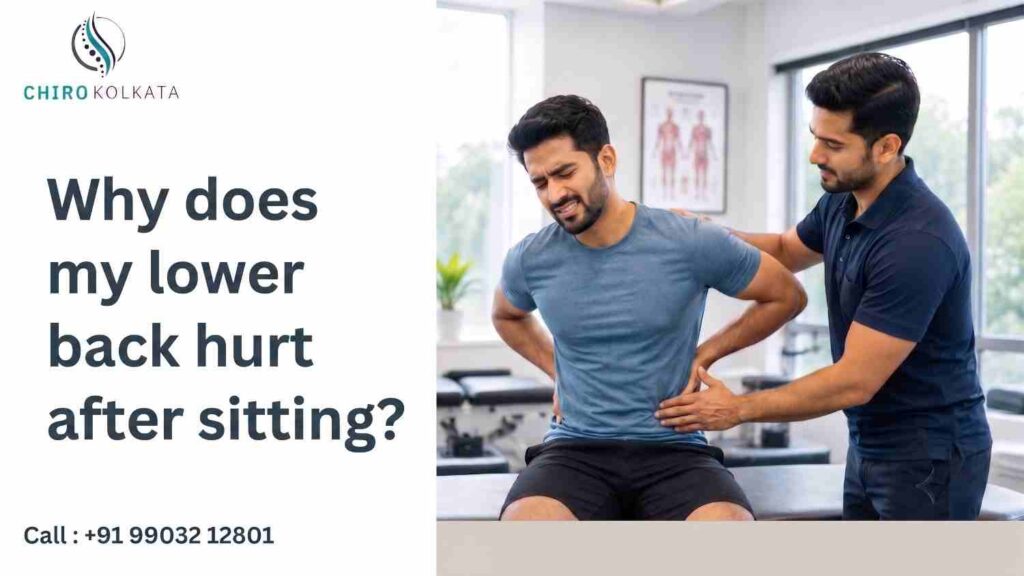
Why does my lower back hurt after sitting?
problems and solutions

Why does my lower back hurt after sitting?

Have you ever sat at your desk for a few hours and noticed that your lower back starts aching, feels stiff, or hurts when you finally stand up? You may be wondering, Why does my lower back hurt after sitting? In many cases, lower back pain after sitting is related to prolonged sitting, poor posture, muscle tightness, reduced movement, or excessive stress on the lower back. The good news is that simple changes to your sitting habits, regular movement, and appropriate professional care may help manage the discomfort. Why does sitting cause lower back pain? Prolonged sitting and back pain often go together because staying in one position for a long time can increase stress on the muscles, joints, and structures around the lumbar spine. When you sit for hours, particularly while leaning forward or slouching, your lower back may lose its natural support. This can contribute to lumbar spine pain, stiffness, and muscle fatigue. Common factors include: Poor sitting posture Sitting continuously for several hours Tight lower back muscles Weak core and supporting muscles Hip flexor tightness An unsuitable chair or lack of back support A sedentary lifestyle This is why some people experience back pain when getting up from sitting, even though they felt relatively comfortable while seated. How does poor posture cause lower back pain? Your sitting position can make a significant difference. Slouching, leaning forward for long periods, or sitting without adequate back support can increase strain on the lower back. An ergonomic sitting position can help reduce unnecessary stress. Ideally, keep your back supported, feet comfortably on the floor, shoulders relaxed, and your screen at a suitable height. However, even with proper sitting posture, staying in one position for too long can cause discomfort. Your body is designed to move, so regular movement is important. Can prolonged sitting cause sciatica? Sometimes, sitting can aggravate symptoms associated with sciatica pain from sitting. Sciatica may cause pain that travels from the lower back into the buttock or leg and can sometimes be accompanied by tingling, numbness, or weakness. Not every case of lower back pain is sciatica. The underlying cause can vary from person to person, so persistent or radiating pain should be properly assessed. What can you do for lower back pain from sitting? If sitting triggers your discomfort, try these practical habits: Take short movement breaks instead of sitting continuously. Adjust your chair to provide adequate back support. Maintain proper sitting posture. Change your position regularly. Include appropriate mobility exercises and stretching for lower back pain. Avoid suddenly increasing strenuous physical activity. These habits may support lower back pain relief, but the right approach depends on the cause of your symptoms. When should you see a professional? Occasional lower back stiffness after a long day of sitting is common. However, you should consider professional evaluation if your pain keeps returning, becomes severe, affects your daily activities, or is accompanied by numbness, weakness, or pain travelling down the leg. At Chiro Kolkata – Dr Manas Kumar, individualized chiropractic and musculoskeletal care is provided based on the person’s symptoms and functional needs. Treatment approaches listed by the clinic include chiropractic manipulation, Muscle Energy Technique (MET), Myofascial Release (MFR), and graded joint mobilization. Frequently Asked Questions Q: Why does my lower back hurt after sitting for a long time? A: Lower back pain after sitting may be associated with prolonged sitting, poor posture, muscle fatigue, reduced movement, or tight muscles around the lower back and hips. Q: How do I relieve lower back pain from sitting? A: Taking regular movement breaks, improving your sitting posture, adjusting your workstation, and incorporating appropriate mobility or stretching can help. If the pain persists, professional assessment may be appropriate. Q: Why does my back hurt when I stand up after sitting? A: This can happen when the muscles and joints around your lower back become stiff after remaining in one position. Repeated or significant pain should be assessed to determine the underlying cause. Q: Is sitting bad for your lower back? A: Sitting itself is not necessarily harmful, but prolonged sitting without movement or adequate support can contribute to back discomfort in some people. Q: Can a chiropractor help with lower back pain? A: A chiropractor may assess musculoskeletal factors contributing to back pain and recommend an individualized care plan. The appropriate treatment depends on the person’s symptoms and clinical assessment.   Reach Us Chiro Kolkata – Dr Manas Kumar Address: 4B, Pratapaditya Rd, near Rashbehari, Near 27 Pally Park, Sahanagar, Crossing, Kolkata, West Bengal 700026 Phone: 099032 12801 Website: Chiro Kolkata If lower back pain from sitting is becoming a regular part of your day, don’t simply ignore it. Understanding the possible causes and getting appropriate professional guidance can be an important step toward moving more comfortably.